Mega Projects, Mega Talent: What It Takes to Staff Large-Scale Infrastructure Projects Globally
When Saudi Arabia plans NEOM, China builds high-speed rail networks spanning thousands of kilometers, or Australia undertakes the Sydney Metro expansion, these aren't just construction projects, they're exercises in global talent orchestration.
31/03/2025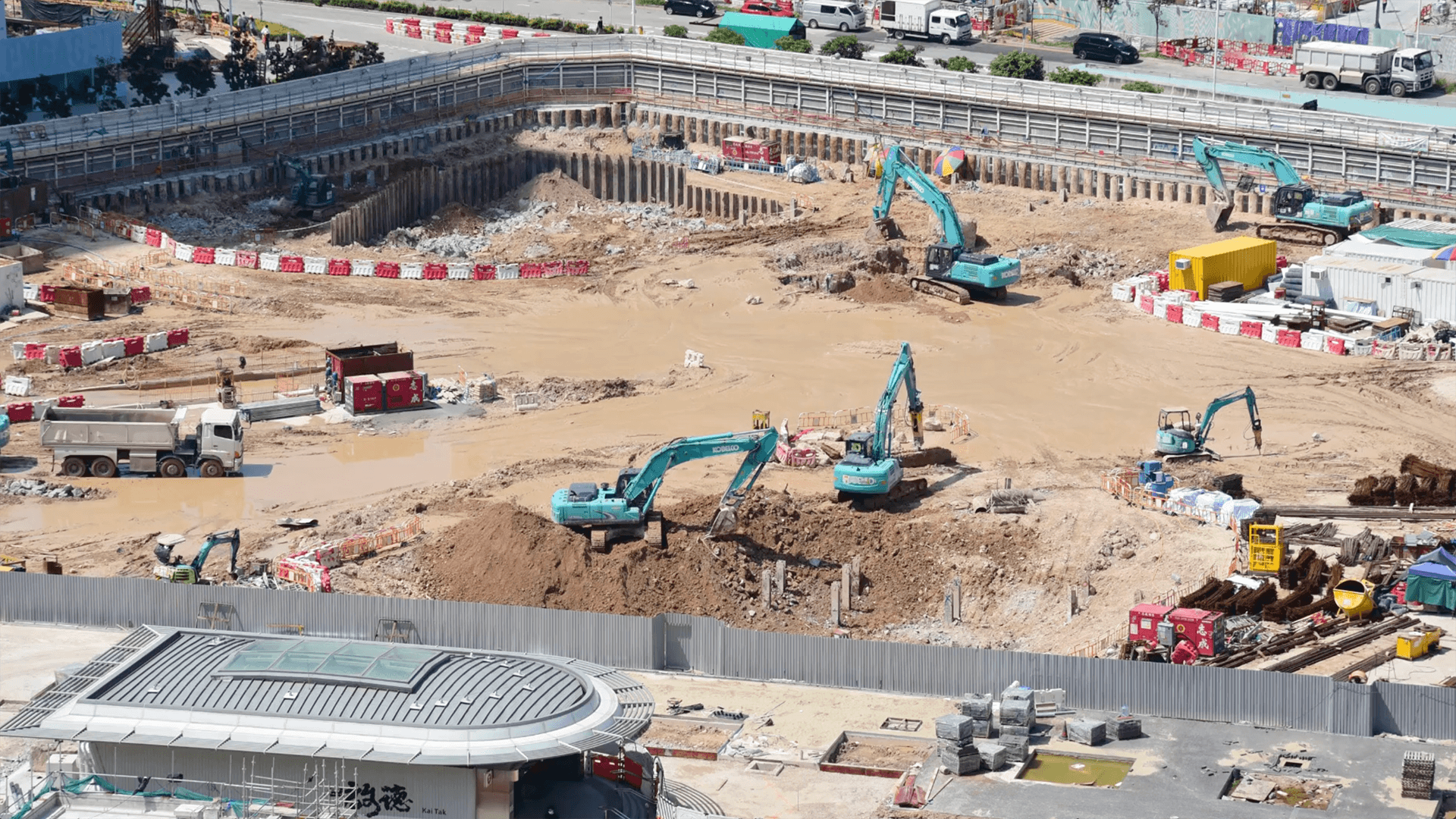
Mega infrastructure projects demand more than technical skill; they require individuals who can navigate cultural complexities, lead diverse international teams, and deliver results on a scale that reshapes entire regions.
The real challenge isn’t just sourcing talent, it’s assembling the right combination of global expertise that can collaborate seamlessly across borders to make the seemingly impossible, possible.
The Scale of Complexity
Mega projects operate in a league of their own. Budget figures reach tens of billions, timelines span decades, and the margin for error virtually disappears under public and political scrutiny.
Projects like London’s Crossrail, which was said to mobilize over 15,000 workers from dozens of nations, or the Dubai Metro, which brought together specialists from six continents, are prime examples. These are not just feats of engineering—they’re masterclasses in global coordination.
These projects face challenges that standard construction simply doesn’t encounter: coordinating supply chains across multiple time zones, managing regulatory requirements in various jurisdictions, and maintaining quality standards while scaling operations exponentially. Success demands professionals who thrive in complexity rather than merely tolerating it.
The Global Talent Hunt
International Project Directors emerge as strategic leaders and cultural diplomats. They must understand local regulations in multiple countries while maintaining a unified project vision. Fluent in multiple languages and experienced across continents, they align global teams under a single project vision while navigating local nuances.
Cross-Cultural Engineering Managers translate global standards into local solutions. A tunnel engineer working on the Gotthard Base Tunnel needs different skills than one building subway systems in Mumbai or São Paulo, even when the fundamental engineering principles remain constant.
Global Procurement Specialists navigate international trade regulations, currency fluctuations, and supply chain vulnerabilities while maintaining cost efficiency. They understand how geopolitical tensions affect material availability and have contingency suppliers across multiple regions.
Multinational Safety Coordinators adapt safety protocols to local standards while maintaining international best practices. They must understand varying cultural attitudes toward risk, different legal frameworks, and diverse communication styles that affect safety compliance.
The Diversity Advantage
Mega projects succeed through diversity of thought, experience, and perspective. Homogeneous teams, regardless of their individual brilliance, struggle with the multifaceted challenges these projects present. The most successful mega projects intentionally build diverse teams across multiple dimensions.
Cultural diversity proves essential when projects span multiple countries or serve diverse communities. brings invaluable insight. Local knowledge prevents costly missteps, improves community engagement, and speeds regulatory approval.
Professional diversity brings together architects, engineers, environmental scientists, social anthropologists, and digital specialists. Modern mega projects require expertise that crosses traditional disciplinary boundaries, from sustainable materials specialists to community engagement experts.
Generational diversity combines seasoned professionals with digital-native talent. Veteran project managers bring institutional knowledge of complex stakeholder management, while younger professionals contribute fresh perspectives on technology integration and innovative problem-solving approaches.
Essential Competencies for Mega Scale
Stakeholder management at mega project scale involves coordinating with government officials, environmental groups, local communities, international investors, and regulatory bodies simultaneously. Top candidates demonstrate experience managing relationships across cultural and linguistic barriers while maintaining project momentum.
Systems thinking becomes critical when individual decisions ripple through massive, interconnected systems. The best professionals understand how engineering choices affect environmental impact, community relations, regulatory compliance, and long-term maintenance requirements.
Crisis adaptability separates mega project veterans from traditional construction professionals. Weather disasters, geopolitical changes, supply chain disruptions, and regulatory shifts require professionals who can rapidly redesign approaches while maintaining project objectives.
Technology integration skills enable professionals to leverage advanced project management platforms, real-time monitoring systems, and collaborative tools that keep global teams synchronized.
Building Global Networks
Successful mega project recruitment requires global reach and cultural intelligence. The ideal tunnel boring specialist for a project in Southeast Asia might currently work in Scandinavia. The perfect environmental compliance manager for a Middle Eastern development could be managing similar challenges in South America.
This reality demands recruitment partners with genuine international presence, cultural competence, and deep industry relationships that span continents. Understanding visa requirements, compensation expectations, family relocation needs, and career development paths across different markets becomes as important as assessing technical qualifications.
The Future of Massive Infrastructure
As the world confronts climate change, population growth, and the need for sustainable infrastructure, mega projects are only getting bigger, more complex, and more mission-critical.
From smart cities to renewable energy corridors, the infrastructure of the future will shape economies, ecosystems, and entire societies. The teams that build them must be equally forward-thinking.
Ready to assemble world-class teams for your next mega project?
Harris & Co’s global network joins visionary infrastructure developers with the diverse, experienced professionals who turn ambitious plans into transformative reality.